

Ryan Rullman shares his history with the VX1000/ MK1 fisheye, allowing us to see firsthand what makes this glass so special for skate cinematography. However, Century Optics has decided to stop production of the lens, so we may be losing one of the most critical parts of our heritage. Enjoy the video, but then afterward, please - SIGN THE PETITION! https://bit.ly/311Otq6
About the VX1000 and MK1 fisheye lens:
The VX1000 and MK1 fisheye lens are two iconic pieces of equipment that have played a major role in the development of skateboarding videography. Both the camera and lens are known for their unique qualities and have become synonymous with the skateboarding industry.
The Sony VX1000 was introduced in 1995 and quickly became the camera of choice for skateboarding videographers. Its compact size and low weight made it easy to carry around while still delivering high-quality footage. The VX1000 was also one of the first cameras to use digital tape, which allowed for longer recording times and better picture quality than traditional VHS tapes.
One of the most notable features of the VX1000 is its ability to capture slow-motion footage. By shooting at 60 frames per second (fps), the VX1000 could produce smooth, cinematic footage that was perfect for capturing the fast-paced action of skateboarding. This slow-motion effect was particularly impressive when paired with the MK1 fisheye lens.
The MK1 fisheye lens was developed by Opteka specifically for use with the VX1000. It was designed to give a wide-angle view of the world, capturing everything from the skater's feet to the surrounding environment. This unique perspective became a signature look for skateboarding videos, and the fisheye lens quickly became a must-have accessory for VX1000 users.
The MK1 fisheye lens has a focal length of 0.3x, which means it can capture a wider angle of view than the human eye. This allows for dramatic shots of skateboarders performing tricks, as the lens can capture the entire scene, including the skater's body and board, as well as the surrounding environment. The fisheye effect also adds a sense of depth to the footage, making it feel like the viewer is right in the middle of the action.
Another advantage of the MK1 fisheye lens is its ability to capture footage in low-light conditions. The wide-angle lens allows more light to enter the camera, which means that even in low-light situations, the footage remains bright and clear. This is especially important for skateboarding videographers, as many skateboarding sessions take place in the early morning or late afternoon when the lighting is not ideal.
The VX1000 and MK1 fisheye lens combination has become an iconic pairing in skateboarding videography. The unique qualities of both pieces of equipment have influenced the way skateboarding is filmed and have set the standard for how skateboarding videos should look. Even with the introduction of newer and more advanced cameras and lenses, the VX1000 and MK1 fisheye remain a staple in the skateboarding community.
In conclusion, the VX1000 and MK1 fisheye lens have had a significant impact on the skateboarding industry. Their unique qualities have helped shape the way skateboarding is filmed and have become synonymous with skateboarding videography. Even as technology continues to evolve, the VX1000 and MK1 fisheye lens will always hold a special place in the hearts of skateboarders and videographers alike.
✅ Sub To The Channel For More Videos: https://youtube.com/doseskateboarding
👉 Visit: http://doseskateboarding.com
👉 Follow: http://instagram.com/doseskateboarding/
👉 Twitter: https://twitter.com/doseskate
👉 TIKTOK https://www.tiktok.com/@doseskateboarding
Subscribe to DOSE for more skate event recaps!
Find News About Skateboarding Every Day at http://doseskateboarding.com
More Videos
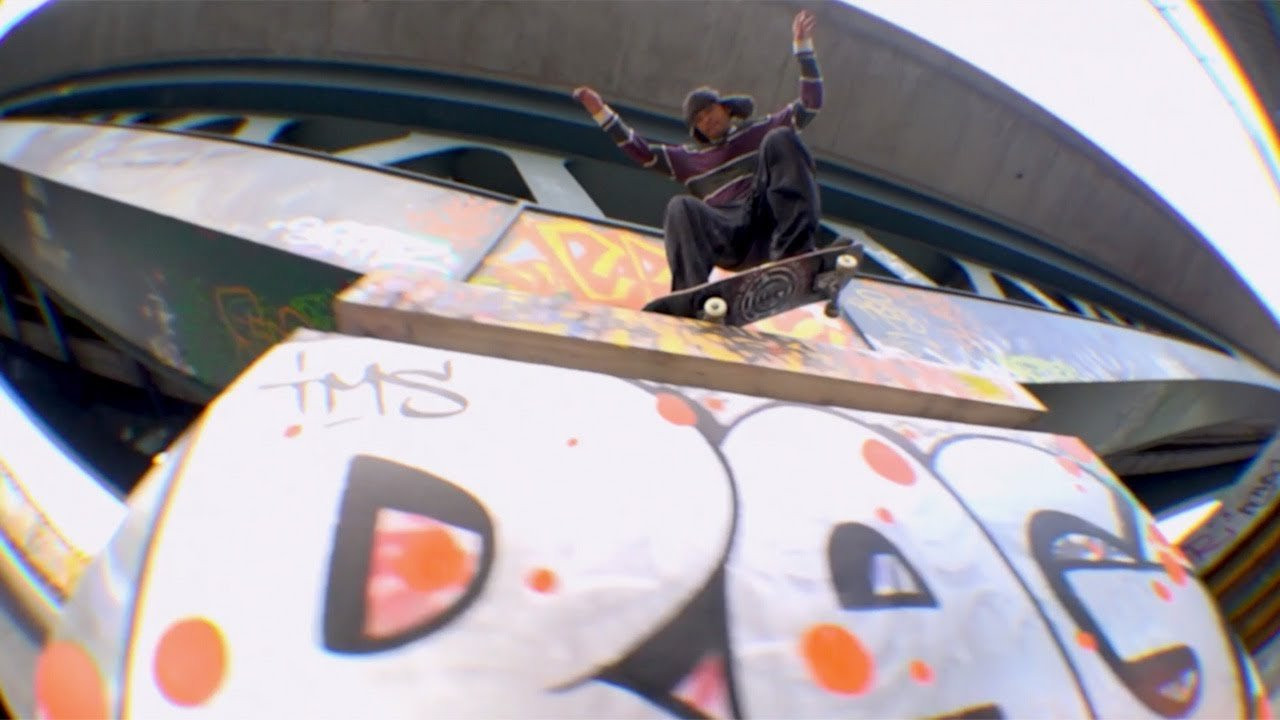
Leon Charo Tite’s CHARO Part
10th July, 2025
Entirely filmed in Berlin, and co-presented with our friends @ Place Skate Mag. Film & Edit: Roland Hoogwater (@la_patte)Additional Filming:Julian Lopez (@julianl0pezz)Eduardo Herrmann (@eduardoherrmann_)Elia Lang (@eliawithouts) ...
The new @beyondmedals just dropped over on their Youtube and it’s insane!
10th July, 2025
Enjoy the videos and music you love, upload original content, and share it all with friends, family, and the world on YouTube. ...
Source BMX: Kevin Peraza / 10 Questions
10th July, 2025
Source BMX: Kevin Peraza / 10 QuestionsSub to @sourcebmx for more!#bmx #sourcebmx #bmxbike ...
Sandro Dias Backyard Bowl Line
10th July, 2025
Enjoy the videos and music you love, upload original content, and share it all with friends, family, and the world on YouTube. ...
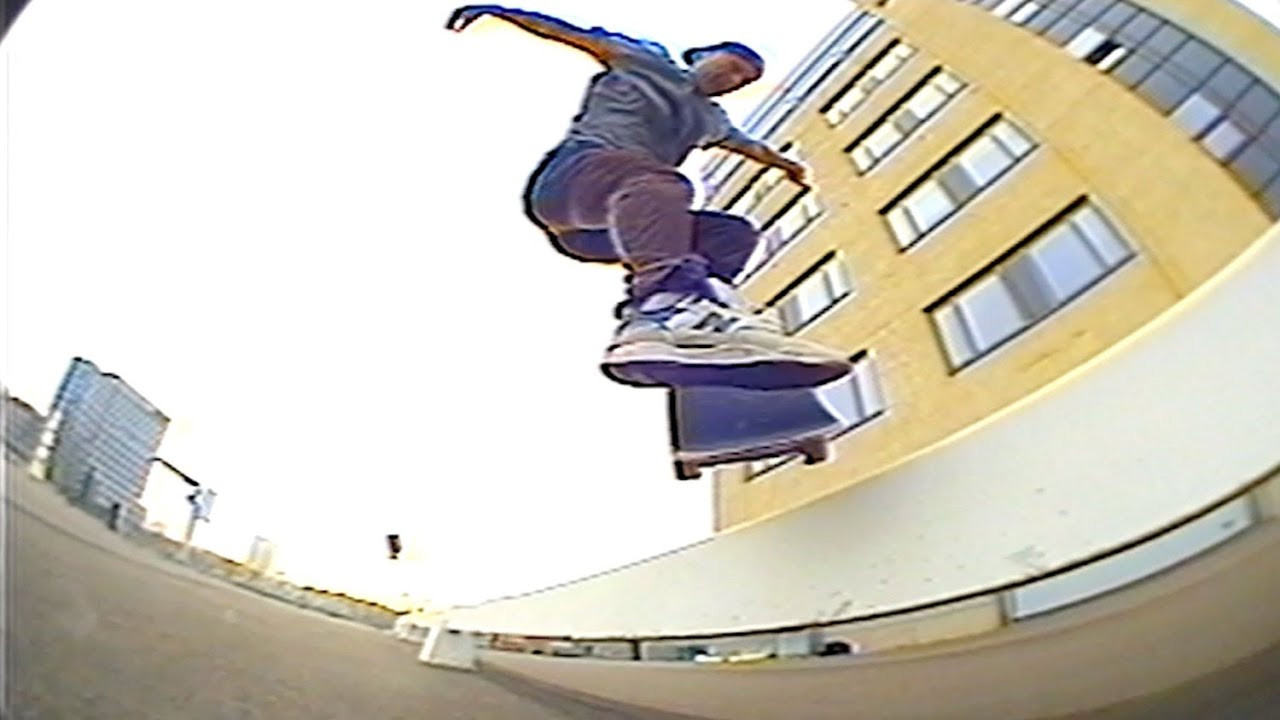
Steffen Austerheim – Epic Life Changing Device
10th July, 2025
Steffen Austerheim's closing part from the Epic Life Changing Device video. ...
Related Posts
The inevitable question following every Jacob Turner clip. “Whose kid was that?”
10th July, 2025
Enjoy the videos and music you love, upload original content, and share it all with friends, family, and the world on YouTube. ...
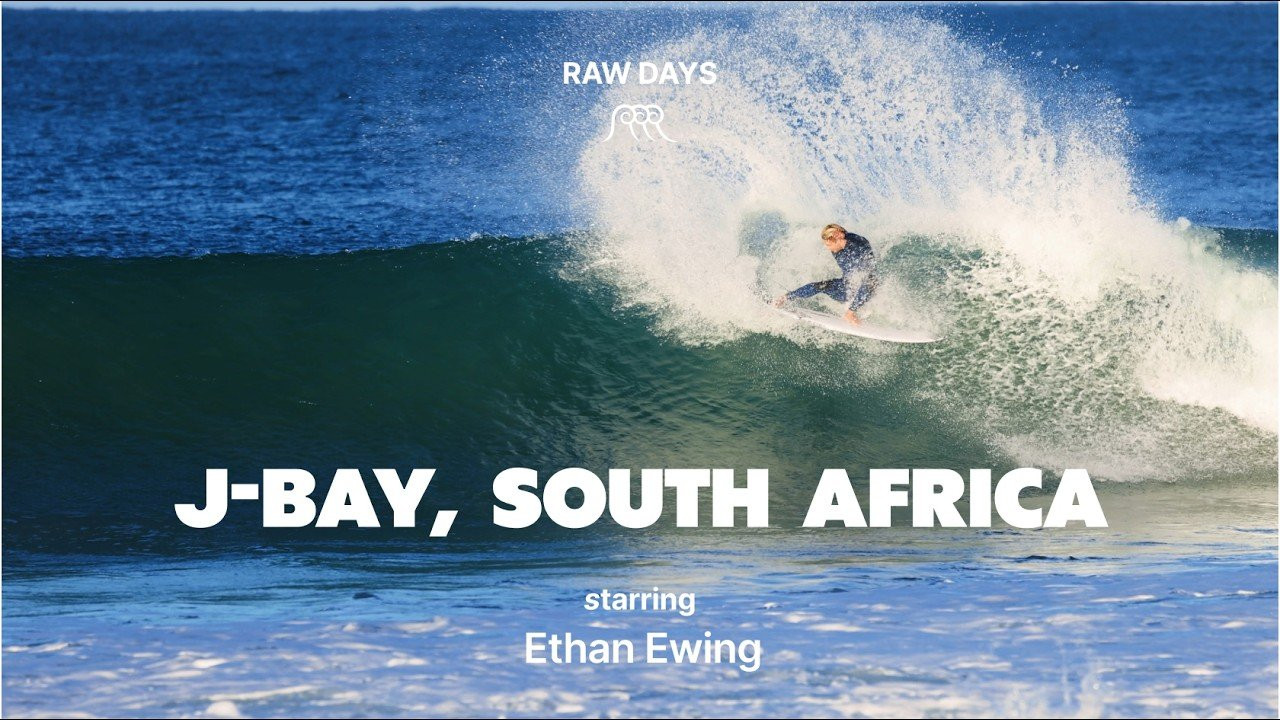
RAW DAYS | Ethan Ewing at J-Bay, South Africa
10th July, 2025
Ethan Ewing ripping at J-Bay, South Africa, in July 2025, before the WSL contest."RAW DAYS" is a NobodySurf Original video series featuring a day in the world's best surf spots, raw and unedited.✔️ "RAW DAYS" series: SurferEthan Ewing (https://www.instagram.com/ethan_ewing/)- Filmed/Edited/PresentedJBAYTV (https://www.instagram.com/jbaytvofficial/)- LocationJ-Bay, South Africa- Shooting dateJuly 2025Watch more surf ...
Brandon Burleigh Battled This One ⚔️ #skateboarding 🔥
10th July, 2025
Enjoy the videos and music you love, upload original content, and share it all with friends, family, and the world on YouTube. ...
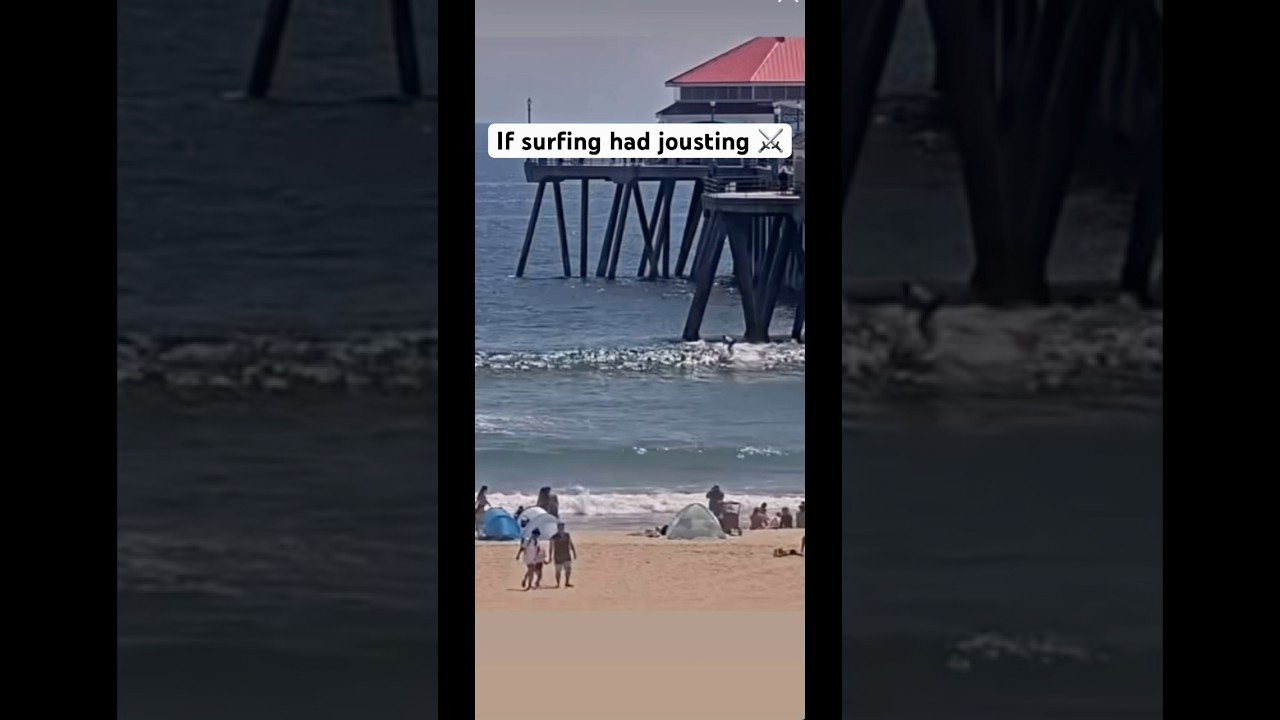
Close call at the HB pier! Rewind Challenge is ON! See our IG story highlights to enter and win 💰
10th July, 2025
Enjoy the videos and music you love, upload original content, and share it all with friends, family, and the world on YouTube. ...
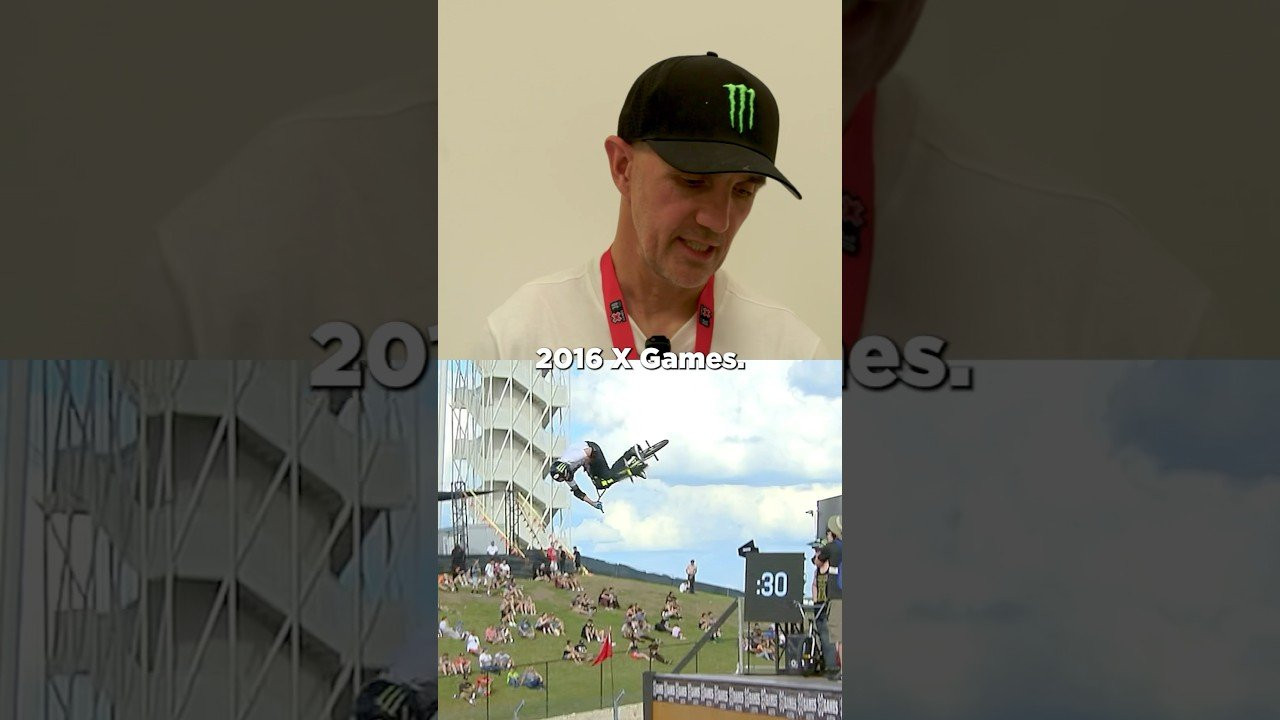
Jamie Bestwick walks us through his BMX Vert run from #xgames Austin 2016 #bmx
10th July, 2025
Enjoy the videos and music you love, upload original content, and share it all with friends, family, and the world on YouTube. ...
Trending Posts
Getting Musical (August '23 update)
2nd August, 2023
Hello! It's been almost 6 months since I wrote up an update so it's past overdue for one. So what's been going on on this site? Well, I've been making a lot of small updates both internal and external to the site. Some internal changes are just to help me be able ...
Leon Charo Tite’s CHARO Part
10th July, 2025
Entirely filmed in Berlin, and co-presented with our friends @ Place Skate Mag. Film & Edit: Roland Hoogwater (@la_patte)Additional Filming:Julian Lopez (@julianl0pezz)Eduardo Herrmann (@eduardoherrmann_)Elia Lang (@eliawithouts) ...
The new @beyondmedals just dropped over on their Youtube and it’s insane!
10th July, 2025
Enjoy the videos and music you love, upload original content, and share it all with friends, family, and the world on YouTube. ...
Source BMX: Kevin Peraza / 10 Questions
10th July, 2025
Source BMX: Kevin Peraza / 10 QuestionsSub to @sourcebmx for more!#bmx #sourcebmx #bmxbike ...
Sandro Dias Backyard Bowl Line
10th July, 2025
Enjoy the videos and music you love, upload original content, and share it all with friends, family, and the world on YouTube. ...